Vision
To be a center of excellence in Computer Engineering education by producing competent diploma engineers with strong technical skills, ethical values, and innovative thinking to serve industry and society.
Mission
M1: providing a strong foundation in computer engineering fundamentals through effective teaching–learning processes.
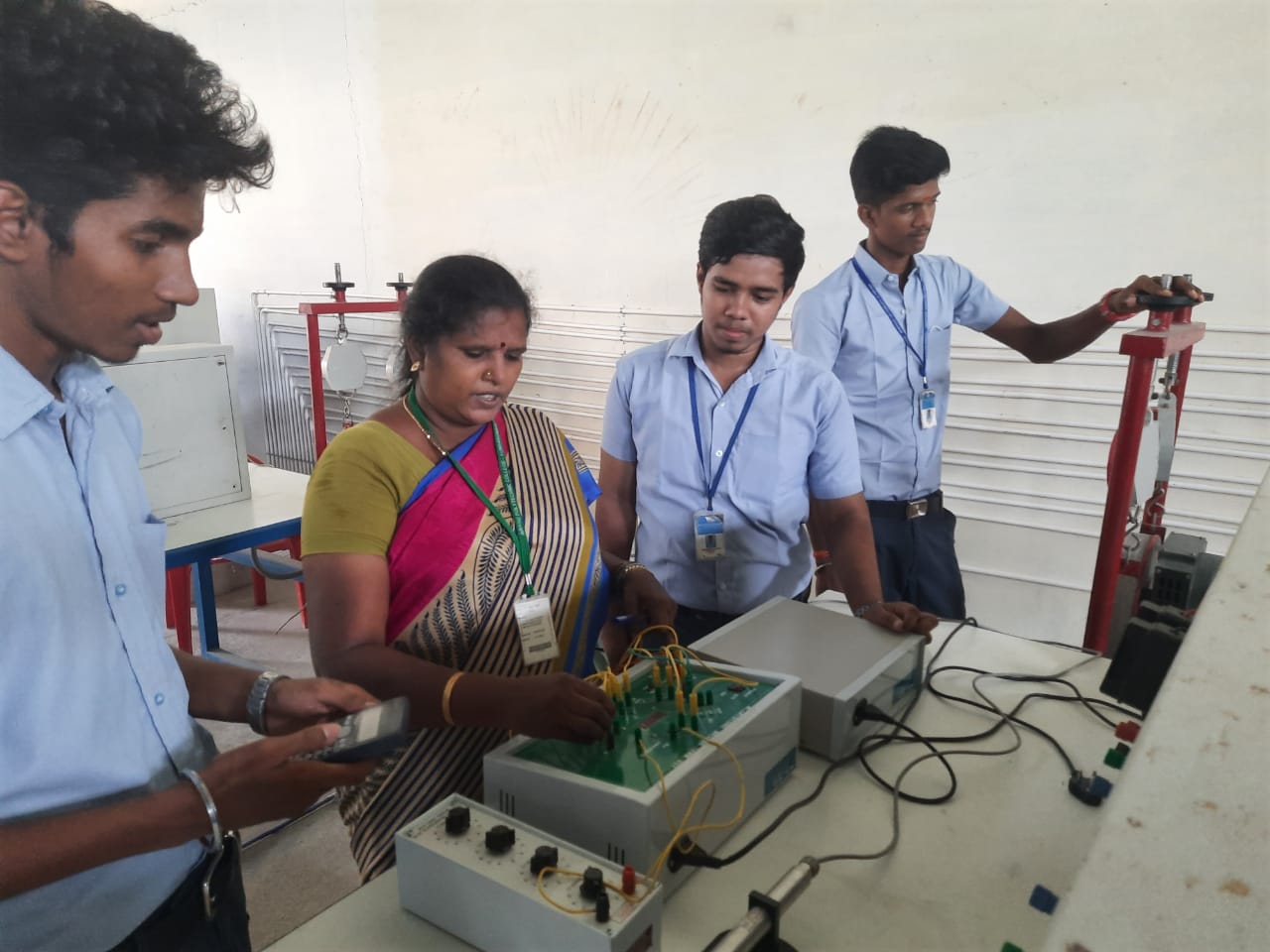
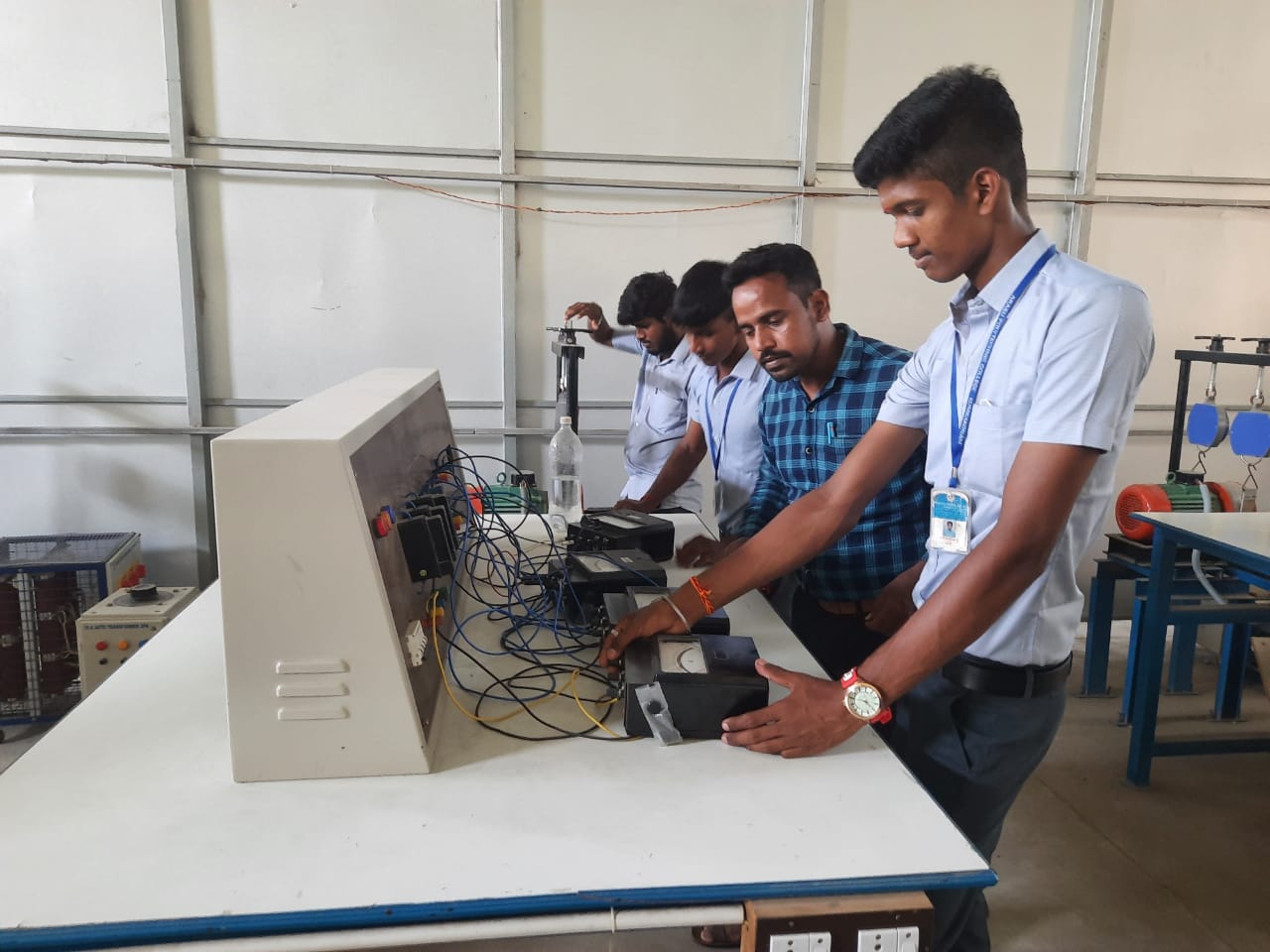
M2: Equipping students with practical skills in programming, networking, database management, and emerging technologies.
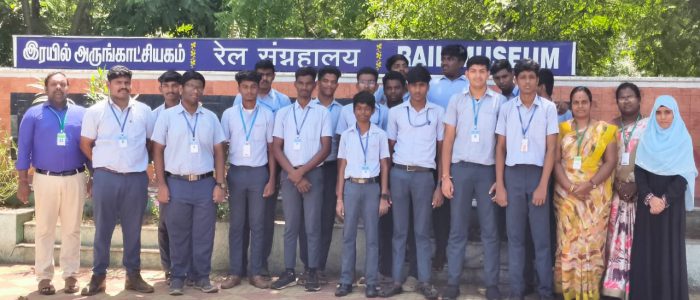
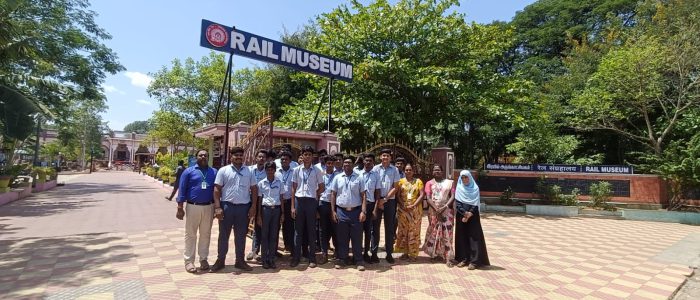
M3: Enhancing industry interaction through internships, industrial visits, and collaborative projects.
M4: Inculcating professional ethics, team work, communication skills, and lifelong learning.
Program Outcomes (POs)
Program Outcomes (POs) are statements that describe what students are expected to know and be able to do upon graduation from the Diploma in Computer Engineering program. These outcomes relate to the knowledge, skills, analytical ability, attitude, and professional behavior that students acquire through the course of study.
The POs define the professional profile of an engineering diploma graduate by specifying the competencies gained through subject-wise learning and practical exposure during the program.
As defined by the National Board of Accreditation (NBA), the following seven Program Outcomes apply to an Engineering Diploma graduate.
PO1: Basic and Discipline-Specific Knowledge
Apply knowledge of basic mathematics, science, engineering fundamentals, and core computer engineering specialization to solve engineering problems.
PO2: Problem Analysis
Identify and analyze well-defined engineering problems using standard and codified methods.
PO3: Design / Development of Solutions
Design solutions for well-defined technical problems and assist in the design of systems, components, or processes to meet specified needs.
PO4: Engineering Tools, Experimentation, and Testing
Apply modern engineering tools and appropriate techniques to conduct standard tests, experiments, and measurements.
PO5: Engineering Practices for Society, Sustainability, and Environment
Apply appropriate technology considering societal needs, sustainability, environmental impact, and ethical practices.
PO6: Project Management
Use engineering management principles individually, as a team member, or as a leader to manage projects effectively and communicate engineering activities clearly.
PO7: Life-Long Learning
Recognize the need for continuous learning and engage in updating knowledge and skills in response to technological advancements.